




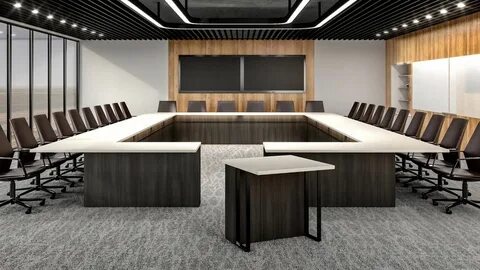
Choosing the right conference table dimensions is crucial for designing a functional and professional meeting space. A conference table is not just a piece of furniture; it sets the tone for collaboration, communication, and decision-making in any office environment. Selecting the proper size ensures that all participants have adequate space, comfort, and accessibility during meetings. Whether you are planning a small meeting room or a large boardroom, understanding how conference table dimensions impact seating arrangements, room flow, and overall aesthetics is essential for creating a productive workspace.
Importance of Proper Conference Table Dimensions
The dimensions of a conference table directly influence how effectively a room can accommodate participants and facilitate discussions. Tables that are too small can make attendees feel cramped, limit personal space, and reduce comfort, while oversized tables can dominate a room and make interaction less personal. Standard dimensions are a helpful guide, but they should be adjusted according to the size of the room, the number of participants, and the purpose of the meetings. For example, a table for video conferences may require additional space for camera equipment and wiring, while a brainstorming table may need extra surface area for documents and laptops.
Standard Conference Table Sizes
Conference table dimensions vary depending on the type of table and seating capacity. Rectangular tables, often used in boardrooms, typically range from 72 to 120 inches in length and 36 to 48 inches in width for medium-sized tables, while larger tables can extend beyond 144 inches to accommodate more participants. Round and oval tables are ideal for smaller spaces or collaborative discussions, with diameters usually ranging from 42 to 72 inches. Modular tables with adjustable configurations offer flexibility in seating and can be expanded or reduced as meeting requirements change. Knowing the standard dimensions helps in planning a table that is proportional to the room and suitable for the expected number of attendees.
Factors to Consider When Choosing Conference Table Dimensions
Several factors influence the selection of conference table dimensions. The first consideration is the number of participants. Typically, each person requires approximately 24 inches of table width and 36 inches of depth to sit comfortably and have sufficient workspace. The second factor is the size of the room. There should be at least 36 inches of clearance around the table for easy movement and accessibility. Other considerations include the type of meetings conducted, technology integration, and storage needs. Tables with built-in power outlets, cable management, or multimedia capabilities may require additional surface area to accommodate devices while maintaining a clean, organized look.
Impact of Table Shape on Conference Table Dimensions
The shape of the conference table also affects its dimensions and usability. Rectangular tables are ideal for formal meetings and presentations, allowing clear lines of sight for all participants. Round tables foster a sense of equality and encourage open discussion but may require a larger diameter to seat the same number of people as a rectangular table. Oval tables combine the advantages of rectangular and round designs, offering both a professional look and collaborative environment. Choosing the right shape ensures that the conference table dimensions are optimized for communication and interaction.
Ergonomics and Comfort
Comfort is essential for productive meetings, and conference table dimensions play a significant role in ergonomics. Adequate legroom under the table and proper chair spacing are critical for long meetings. Tables that are too high or too low can cause discomfort and distraction. In addition to height considerations, edge design and tabletop materials contribute to comfort. Rounded edges prevent accidental bumps, and smooth, high-quality surfaces improve both aesthetics and functionality. Proper ergonomics combined with suitable conference table dimensions create a comfortable environment that supports extended discussions and decision-making processes.
Customization Options for Conference Table Dimensions
Many offices opt for customized conference tables to match their unique room layout, style, and functional needs. Custom tables allow you to specify exact length, width, and height according to available space and seating requirements. Integration with office technology, such as built-in screens, charging ports, or wireless connectivity, is easier with custom dimensions. Additionally, custom tables can reflect your company’s branding, using materials, finishes, and colors that align with your office décor. This ensures that your conference table is not only practical but also a visually cohesive element of the workspace.
Material Considerations for Conference Tables
Material choice influences both the aesthetics and functionality of a conference table. Solid wood tables offer durability and a classic look, while laminate and veneer surfaces are cost-effective and easy to maintain. Glass tables create a modern, sleek appearance, but may require more cleaning and careful handling. Metal and composite materials can provide industrial or contemporary styles while ensuring long-lasting durability. Selecting the right materials alongside proper conference table dimensions ensures that your table complements the office design while meeting practical needs.
Maximizing Space Efficiency
Conference table dimensions must be planned in conjunction with room layout to maximize space efficiency. Ensuring adequate circulation around the table prevents congestion and allows attendees to move freely. Consideration of door placement, windows, and additional furniture such as chairs, cabinets, or presentation equipment is important. A well-planned table with appropriate dimensions enhances both functionality and comfort, allowing the office to maintain a professional atmosphere without feeling overcrowded.
Future-Proofing Your Conference Table
Investing in a conference table with adaptable dimensions can future-proof your meeting space. Modular designs, expandable surfaces, or tables that can be reconfigured allow the office to accommodate growth or changes in meeting style. As businesses evolve, having a flexible conference table ensures that the investment remains practical and valuable for years. Understanding how conference table dimensions impact adaptability helps create a sustainable, long-lasting solution for your office environment.
Conclusion
Choosing the right conference table dimensions is an essential part of office design that impacts comfort, productivity, and professionalism. From standard sizing and material selection to ergonomics and customization, every aspect plays a role in creating an effective meeting environment. Investing in a well-designed conference table ensures that meetings are productive and collaborative, leaving a lasting impression on clients and employees alike. For businesses looking to optimize their meeting spaces with both style and functionality, partnering with a trusted provider like Office furniture guarantees a conference table that meets all operational and aesthetic requirements.