




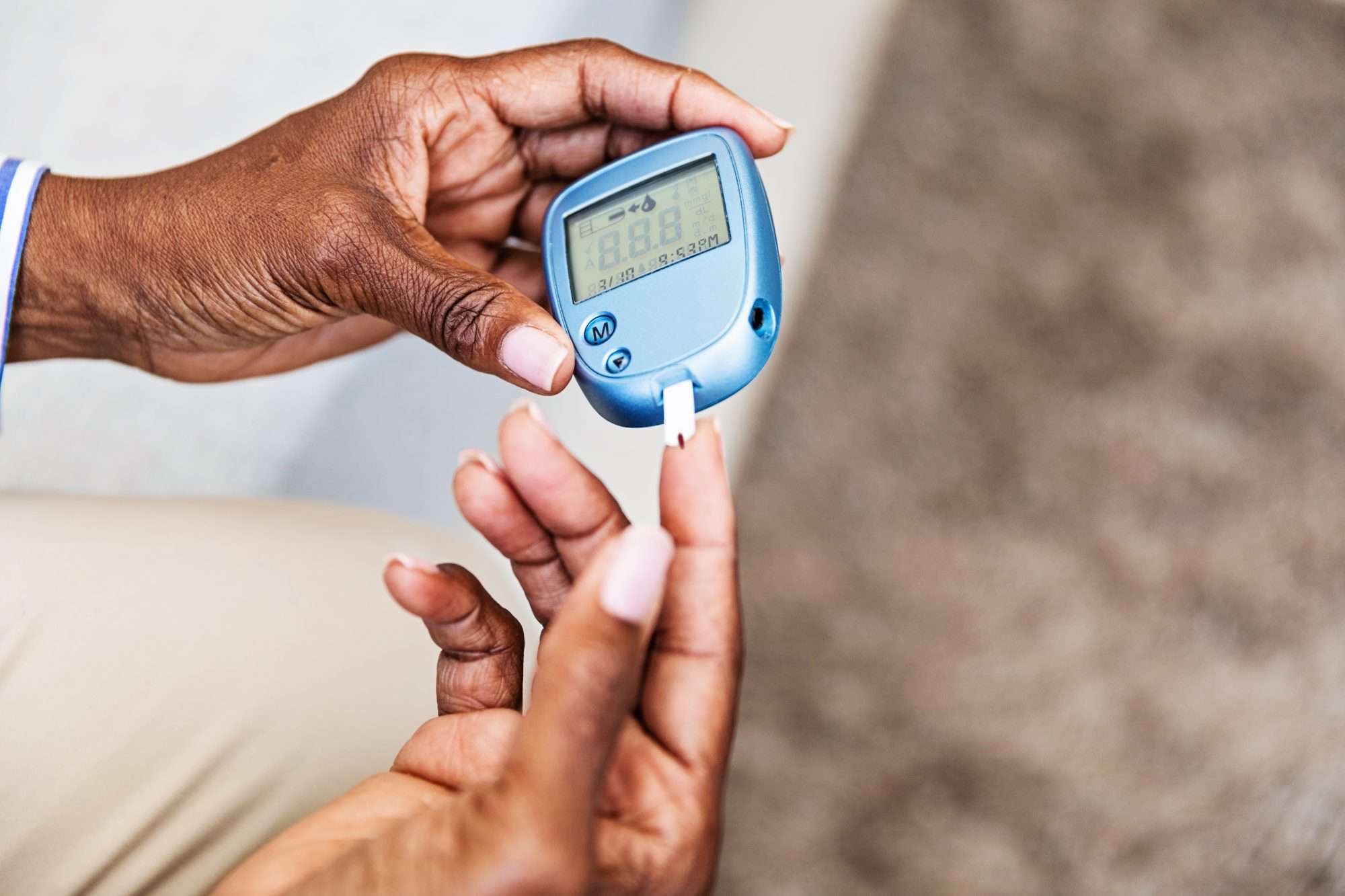
Blood sugar, also known as blood glucose, is the main type of sugar found in the blood. It comes from the food we eat, especially carbohydrates, and is the body’s primary source of energy. Every cell, tissue, and organ in our body needs glucose to function properly. However, keeping blood sugar within a healthy range is essential. Too much or too little can cause serious health issues over time.
In this article, we’ll explore what blood sugar is, why it matters, how it affects the body, and ways to manage it naturally.

What is Blood Sugar?
When we eat foods like bread, rice, fruits, or sweets, our digestive system breaks them down into glucose. This glucose then enters the bloodstream. At the same time, the pancreas produces a hormone called insulin, which helps move glucose from the blood into the body’s cells to be used for energy.
If the body does not produce enough insulin or does not use it properly, glucose builds up in the blood. This condition is commonly known as high blood sugar, or hyperglycemia. On the other hand, when blood sugar drops too low, it is called hypoglycemia. Both conditions can harm overall health if not managed.
Why is Blood Sugar Important?
Maintaining stable blood sugar levels is important for several reasons:
- Energy Supply – Glucose fuels the brain, muscles, and organs. Balanced levels keep us active and focused.
- Preventing Health Problems – Constantly high blood sugar can damage blood vessels, nerves, eyes, and kidneys.
- Hormonal Balance – Stable blood sugar supports healthy hormone production and reduces stress on the body.
- Weight Management – Fluctuating blood sugar often leads to cravings and overeating, making weight control harder.
Signs of High Blood Sugar
Some common symptoms of high blood sugar include:
- Frequent thirst and urination
- Fatigue or low energy
- Blurred vision
- Slow healing of cuts or wounds
- Unexplained weight loss
If high blood sugar continues for long periods, it may lead to more serious health conditions. That’s why regular monitoring is important.
Signs of Low Blood Sugar
Low blood sugar can also be dangerous. Symptoms may include:
- Shaking or sweating
- Dizziness or headache
- Sudden hunger
- Mood swings or irritability
- Confusion or difficulty concentrating
Severe cases of hypoglycemia may cause fainting or seizures, so it should never be ignored.
Natural Ways to Balance Blood Sugar
Balancing blood sugar is not only about medication. Many lifestyle habits can make a big difference:
1. Healthy Eating
Choose foods that have a low glycemic index, meaning they release glucose slowly. Whole grains, beans, vegetables, and fresh fruits are better options than processed snacks or sugary drinks.
2. Regular Exercise
Physical activity helps muscles use glucose more effectively. Even 30 minutes of walking, cycling, or yoga can help regulate blood sugar naturally.
3. Stay Hydrated
Drinking enough water helps the kidneys flush out excess glucose through urine. Aim for at least 6–8 glasses daily.
4. Manage Stress
Stress hormones can cause blood sugar to rise. Deep breathing, meditation, and adequate sleep are great ways to keep stress in check.
5. Balanced Meals
Avoid skipping meals and try to eat smaller, balanced meals throughout the day. This prevents sudden spikes or drops in glucose levels.
The Role of Sleep in Blood Sugar Control
Sleep is often overlooked when it comes to blood sugar management. Poor sleep can cause hormonal imbalances, leading to higher cravings and difficulty processing glucose. Adults should aim for 7–9 hours of quality sleep each night to support better health.
Long-Term Risks of Uncontrolled Blood Sugar
If blood sugar is not managed properly, it can lead to serious long-term complications, such as:
- Heart disease and stroke
- Kidney damage
- Nerve damage (neuropathy)
- Eye problems and vision loss
- Poor wound healing
Taking preventive steps today can reduce these risks in the future.
Final Thoughts
Blood sugar plays a vital role in keeping our bodies healthy and energetic. By eating balanced meals, exercising regularly, staying hydrated, and managing stress, anyone can support better glucose control. Remember, small lifestyle changes can lead to big health improvements over time.
This product is very helpfull for this problem GlucoTonic – Official Website