




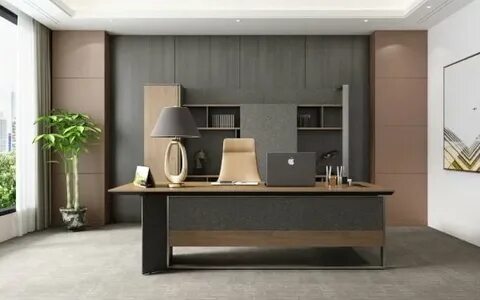
Office table and free standing table solutions are essential components for creating a functional and inviting workspace. Whether you are designing a home office, corporate environment, or co-working space, selecting the right table can transform productivity and aesthetic appeal. A well-chosen office table not only provides a practical surface for daily tasks but also enhances the overall ambiance of your workspace. In today’s competitive business environment, investing in high-quality office furniture is no longer optional; it’s a strategic decision that reflects your brand identity and promotes employee well-being.
Choosing the Right Office Table
Selecting an office table requires careful consideration of space, functionality, and design. An ideal office table should offer ample surface area for computers, documents, and other essentials while fitting comfortably within the room’s layout. Free standing tables are particularly versatile, allowing for flexible placement and mobility. They are perfect for offices that require periodic reorganization or adaptable workspaces. Ergonomic considerations, such as appropriate height and legroom, also play a crucial role in ensuring comfort and preventing strain during long working hours.
Material Matters for Durability and Style
The material of your office table significantly impacts its durability, maintenance, and style. Common options include solid wood, metal, glass, and engineered materials like MDF or laminate. Wooden tables provide a classic, professional look and can be customized with intricate designs. Metal frames offer robust support and industrial aesthetics, ideal for modern workspaces. Glass and acrylic surfaces create a sleek, contemporary vibe and can be combined with subtle lighting for enhanced appeal. Free standing tables often incorporate mixed materials, blending wood, metal, and glass to achieve both functionality and visual interest.
Functionality and Storage Solutions
An office table should do more than just serve as a surface for work; it should optimize productivity and organization. Many tables include built-in storage solutions such as drawers, shelves, or cable management systems. These features help keep workspaces tidy and clutter-free, allowing employees to focus on tasks efficiently. Free standing tables offer additional flexibility, as they can be repositioned to suit changing workflow requirements. Modular designs are particularly beneficial in collaborative environments where team configurations frequently change.
Aesthetic Appeal and Workspace Design
The right office table can set the tone for your entire workspace. Sleek, minimalist tables may suit modern tech companies, while ornate wooden designs may align better with law firms or corporate offices. Free standing tables are versatile in complementing various interior styles, from contemporary to traditional. Matching tables with complementary office furniture, such as chairs and storage units, creates a cohesive look and enhances the professional appearance of the environment. Incorporating color, texture, and finishes in your table selection further personalizes the workspace and reflects your organizational culture.
Ergonomics and Employee Well-Being
Ergonomics is critical when selecting an office table, as it directly affects employee comfort and productivity. Tables should have sufficient height and legroom to accommodate different body types. Adjustable or height-variable free standing tables are increasingly popular for promoting movement and reducing fatigue during long workdays. These tables allow employees to switch between sitting and standing positions, encouraging better posture and overall health. Investing in ergonomic office tables demonstrates a commitment to employee well-being and enhances workplace satisfaction.
Technology Integration
Modern workspaces often require seamless integration with technology, making cable management and device placement crucial. Office tables with built-in compartments or grommets allow cables to be organized neatly, preventing clutter and ensuring easy access to power outlets. Free standing tables provide flexibility for adding peripherals or rearranging equipment as technological needs evolve. By designing tables that accommodate modern devices, businesses can maintain an organized, efficient, and professional workspace.
Versatility in Office Layouts
One of the advantages of free standing tables is their adaptability. They can be used for individual workstations, collaborative setups, or temporary project spaces. Unlike fixed tables, free standing options allow managers to modify layouts based on team requirements or changing office dynamics. They are ideal for creative studios, co-working spaces, or offices with flexible scheduling needs. This versatility ensures that your workspace remains functional, efficient, and visually appealing, regardless of the demands placed on it.
Maintenance and Longevity
Maintaining an office table properly ensures long-lasting performance and aesthetics. Materials like laminate and metal are easy to clean and resist wear, while wooden tables may require polishing or protective finishes. Free standing tables benefit from modular components, which can be replaced or updated without needing a full replacement. Prioritizing durability in your table selection reduces long-term costs and keeps the workspace looking professional for years.
Cost Considerations and Investment
While cost is often a deciding factor, it should be balanced with quality, durability, and design. Investing in high-quality office tables may require a higher initial expense, but the long-term benefits, including improved productivity, employee satisfaction, and enhanced brand perception, outweigh the upfront cost. Free standing tables, in particular, offer a cost-effective solution for dynamic workspaces, as they provide flexibility without requiring structural changes.
Consultation and Professional Guidance
Selecting the perfect office table may require expert guidance. Professional office furniture providers can recommend designs, materials, and configurations tailored to your space and operational needs. They ensure that tables not only meet ergonomic and functional requirements but also align with your company’s aesthetic and brand identity. By consulting experts, businesses can create workspaces that maximize comfort, efficiency, and visual appeal.
Conclusion
A thoughtfully chosen office table and free standing table enhance both functionality and aesthetics, transforming ordinary workspaces into productive, welcoming environments. From ergonomics and storage solutions to material selection and design, the right table addresses the practical and visual needs of modern offices. Investing in quality office tables reflects a commitment to employee well-being, brand identity, and long-term workspace efficiency. For businesses seeking reliable and stylish office solutions, office table provides expert guidance and high-quality furniture that elevates every workspace.