



Rust is one of the most persistent challenges in metal maintenance, affecting industries ranging from automotive repair to large-scale manufacturing. Over time, metals exposed to moisture and oxygen naturally develop oxidation, leading to corrosion. Rust not only compromises the structural integrity of metals but also diminishes their aesthetic appeal. Traditional methods of rust removal, such as chemical treatments, sanding, and abrasive blasting, often come with limitations including environmental hazards, labor intensity, and the risk of damaging the underlying surface. In response to these challenges, rust cleaning laser technology has emerged as a revolutionary solution for metal restoration.
A rust cleaning laser operates by emitting a concentrated beam of light that interacts with the oxidized layer on the metal surface. Unlike conventional methods, this technique does not require harsh chemicals, sandpaper, or mechanical abrasion. The laser selectively targets the rust layer while leaving the base metal unharmed. This precision ensures that metal surfaces retain their original strength and finish, making it suitable for delicate applications in automotive restoration, aerospace maintenance, and historical artifact preservation.
In industrial settings, machinery and equipment often suffer from rust accumulation due to exposure to moisture, chemicals, or fluctuating temperatures. Maintaining these surfaces is essential for operational efficiency and safety. The rust cleaning laser provides a rapid and consistent method to restore metal surfaces without the need for prolonged downtime. Companies using this technology report significant reductions in maintenance time, enabling faster turnaround for production lines and repair work. This efficiency translates directly into cost savings and improved productivity, as traditional rust removal methods can be time-consuming and require frequent reapplication.
Automotive applications also benefit greatly from rust cleaning laser solutions. Classic cars, vintage motorcycles, and modern vehicles alike require meticulous care to prevent and address rust formation. Laser rust cleaning allows for targeted removal on intricate components such as engine parts, frames, and body panels. Restoration specialists rely on this technique to preserve the authenticity of original metalwork while removing corrosion that would otherwise continue to spread. In addition, automotive manufacturing plants increasingly implement laser cleaning for production line maintenance, ensuring that components remain free from contaminants that could interfere with assembly or paint adhesion.
Another area where rust cleaning lasers excel is in the preservation of historical artifacts and architectural elements. Metal sculptures, tools, and structural components exposed to the elements over decades or centuries are often at risk of irreversible damage from corrosion. Traditional cleaning methods can be too abrasive or chemically aggressive, potentially harming the original material. Lasers provide a controlled, non-contact method to remove rust, allowing preservation experts to maintain the historical and aesthetic value of these items. The precision offered by laser technology ensures that even fine details and delicate patterns remain intact during the cleaning process.
Safety and environmental considerations also play a crucial role in the adoption of rust cleaning laser technology. Unlike chemical treatments, lasers eliminate the need for potentially hazardous substances, reducing the risk of exposure to workers and minimizing environmental contamination. The process is clean, with rust particles typically collected through vacuum systems or simply removed as debris. This aspect of laser cleaning aligns with modern industrial regulations and environmental standards, making it a forward-looking choice for companies committed to sustainable practices.
The versatility of rust cleaning lasers extends beyond metal restoration. Various metal types, including steel, aluminum, copper, and alloys, respond well to laser treatment, allowing industries to consolidate maintenance approaches under a single technology. Furthermore, rust cleaning lasers can be adjusted in intensity and focus, enabling operators to address both heavy corrosion and light surface oxidation effectively. The ability to customize the cleaning process ensures that the technology meets diverse needs, whether for high-precision industrial components or larger structural elements.
Training and operation of rust cleaning laser systems are designed to be accessible to professionals across industries. Most modern systems feature user-friendly interfaces, adjustable settings, and automated sequences that simplify the cleaning process. Operators can focus on controlling the laser path, exposure time, and intensity without needing extensive technical expertise. Additionally, the low-maintenance nature of these devices makes them a reliable investment, with minimal downtime and fewer consumables compared to traditional methods.
In terms of cost efficiency, rust cleaning lasers present an attractive long-term solution. While the initial investment may be higher than chemical or mechanical alternatives, the reduction in labor, time, chemical usage, and equipment wear quickly offsets the upfront expenditure. Companies often find that integrating laser cleaning into their maintenance protocols results in higher productivity, extended equipment lifespan, and consistent quality of results.
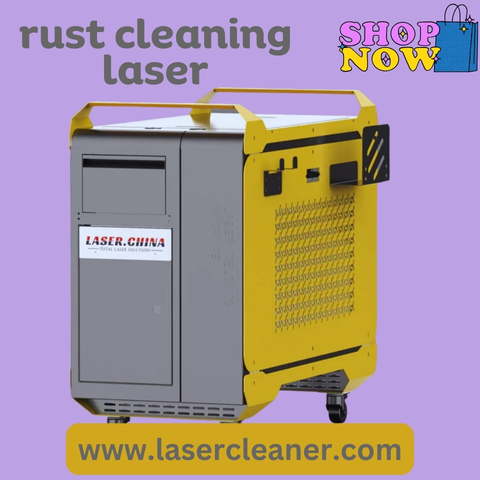
Emerging innovations in rust cleaning laser technology continue to expand its applications. Portable handheld models allow on-site cleaning for maintenance teams, while larger automated systems serve industrial production lines. Advances in laser power, beam precision, and automation enable operators to tackle even the most challenging corrosion scenarios with speed and accuracy. The growing accessibility and adaptability of this technology make it an appealing option for industries worldwide, from small workshops to multinational corporations.
Final Thoughts, rust cleaning laser technology represents a transformative approach to metal maintenance and restoration. Its precision, speed, and environmentally friendly nature make it an ideal solution for industrial, automotive, and preservation applications. By eliminating rust effectively while preserving the underlying metal, laser cleaning enhances operational efficiency, reduces costs, and ensures the longevity of critical equipment and structures. With its expanding versatility and continued technological advancements, rust cleaning lasers are poised to become the standard for modern corrosion management across industries.