



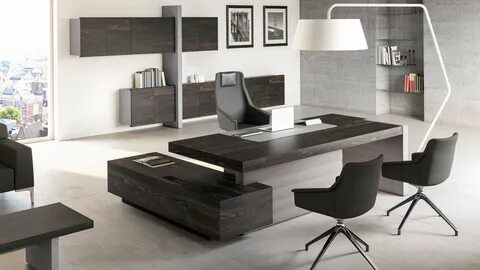
A modern workspace thrives on efficiency, comfort, and style, and nothing combines these elements better than a well-planned Office table design, Office table layout. The evolution of office interiors has shifted toward smart, ergonomic, and aesthetically appealing furniture choices that support productivity while creating a positive work environment. Today, businesses focus on functionality blended with visual appeal, placing the office table at the center of this transformation. Choosing the right design can significantly enhance workflow, improve organization, and create an atmosphere that reflects your company’s identity and values.
The Importance of Selecting the Right Office Table
Selecting the right office table is essential because it influences daily performance, comfort, and organizational structure. In a professional setting, the office table serves as a workstation, meeting point, storage area, and sometimes even a collaborative zone. A well-chosen table helps reduce clutter, supports proper posture, and establishes a clean and efficient working environment. As office trends evolve, companies increasingly look for office table solutions that offer both practicality and a polished look. Whether you need a compact desk for small spaces or a large executive table for a managerial office, the right choice provides long-term value.
Trends Shaping Modern Office Table Design
Recent trends in office table design emphasize ergonomic features, space efficiency, and versatile structures. Height-adjustable tables, for example, allow employees to shift between sitting and standing positions, improving comfort and reducing fatigue. Minimalist designs featuring clean lines and neutral tones are also highly popular, giving workplaces a sleek and contemporary appearance. Another trend is the integration of technology—office tables equipped with cable management systems, charging ports, and smart storage solutions help maintain a clean and organized desk surface. These trends reflect a shift toward healthier and more productive work environments.
Material Choices That Influence Function and Style
Material selection plays a major role in the durability and aesthetic appeal of an office table. Wooden tables offer warmth, elegance, and a timeless charm. Laminate surfaces are cost-effective, durable, and available in numerous colors, making them ideal for high-traffic offices. Metal frames paired with engineered wood bring an industrial, modern look and provide excellent resilience. Glass-topped office tables add sophistication and are perfect for offices aiming for a contemporary, upscale appearance. The choice of materials should align with the office theme while ensuring that the table remains functional and easy to maintain.
Designing Office Tables for Efficiency
An effective office table design must prioritize user comfort and workflow integration. This includes ample workspace for laptops, documents, and office accessories, along with storage features like drawers or under-desk cabinets. Cable management openings help minimize clutter, making the workstation look more organized and professional. For work environments that require frequent collaboration, modular office tables offer the flexibility to create custom layouts. These can be rearranged easily for meetings, group tasks, or individual work, making them a practical choice for dynamic businesses.
Ergonomics: A Key Element of Office Table Planning
Ergonomics has become a crucial consideration in office furniture design. An ergonomic office table ensures proper alignment, reduces strain on the back and neck, and enhances overall comfort. Proper height, sufficient legroom, and the ability to adjust desk levels are essential features in an ergonomic setup. When employees feel comfortable, they tend to stay focused and productive for longer periods. Investing in ergonomic table designs not only supports employee well-being but also reduces the risk of workplace-related injuries.
Office Table Designs for Different Work Environments
Every workspace has unique requirements, and the office table design should reflect these needs. Executive offices benefit from large, luxurious tables with built-in storage and polished finishes. Open-concept offices require lightweight, movable office tables that support collaboration. For small offices or home workspaces, compact multi-functional tables help maximize available space. Co-working spaces often use shared long tables or modular layouts that encourage teamwork while giving each user enough personal workspace. Understanding the nature of your work environment ensures that the chosen office table effectively serves its purpose.
Space Optimization Through Smart Office Tables
Space efficiency is a major priority for modern offices, especially in urban locations where space is limited. Smart office table designs incorporate features like sliding drawers, hidden storage, and collapsible sections to help maintain an organized and spacious environment. Corner office tables are ideal for maximizing small areas, while wall-mounted foldable tables offer flexibility for multi-purpose rooms. Choosing designs that optimize available space can significantly improve movement flow and reduce visual clutter, making the office more inviting and efficient.
The Role of Office Tables in Branding and Aesthetics
Office table design contributes significantly to the overall interior theme of your workspace. The color, shape, and design details should align with your brand identity. Sleek, modern tables may suit creative agencies, while dark wooden executive tables may be better for law firms or corporate offices. Custom office tables with unique finishes, geometric shapes, and branded elements can elevate the visual appeal and reinforce your brand image. Since office tables are used daily, investing in designs that reflect professionalism and creativity can positively influence both employees and visitors.
Long-Term Benefits of Investing in Quality Office Tables
High-quality office tables offer long-term value by enhancing durability, reducing maintenance needs, and maintaining an attractive appearance over the years. While budget-friendly tables may seem appealing initially, they often wear out quickly or fail to provide ergonomic support. Investing in durable materials, sturdy construction, and thoughtful design ensures that your office tables remain functional and stylish for years to come. A well-designed workspace also boosts employee morale, productivity, and job satisfaction.
Conclusion
Choosing the right office table design goes beyond selecting a piece of furniture—it requires understanding your workspace needs, aesthetic preferences, and long-term goals. An efficient and stylish office table enhances productivity, comfort, and overall workplace appeal. By investing in high-quality designs and materials, you can create a workspace that motivates employees and impresses clients. With a well-planned setup supported by Modern office table designs, your office can achieve a perfect balance between performance and visual excellence.