


Technology has changed how people handle everyday tasks. From ordering food to booking taxis, everything has become quick and digital. The same shift is happening in home repair and maintenance services, where handyman apps are slowly replacing traditional phone calls and local referrals. However, unlike ordinary service-based apps, handyman apps require users to let a stranger into their home. This one condition makes trust the most critical element.
Users are not just choosing a service. They are allowing someone into their personal environment. They care about the safety of their family, the security of their belongings, and the quality of the work. Therefore, for a handyman app to succeed, it must focus deeply on trust psychology. It must show clarity, transparency, stability, and accountability in every interaction.
Building this trust is a structured psychological process, not just a technical task.
How First Impressions Shape Trust
The moment a user opens a handyman app, their mind begins evaluating it, even before they consciously think. These are quick judgments made based on layout, colors, clarity, and structure.
A simple interface gives users a sense of confidence. If the app is clean, the text is easy to read, and options are clearly labeled, users feel they are dealing with something organized and legitimate. The mind associates visual order with safety and seriousness.
However, if the interface feels messy, overly crowded, or confusing, the user becomes doubtful. Human psychology links confusion to risk. When users feel they might choose the wrong option or struggle to navigate, they hesitate.
A well-designed user interface is not only about aesthetics. It is about creating emotional reassurance.
The Role of Information Transparency
Once the user begins exploring, the next layer of trust comes from information clarity. The more transparent the app is, the more confident the user feels.
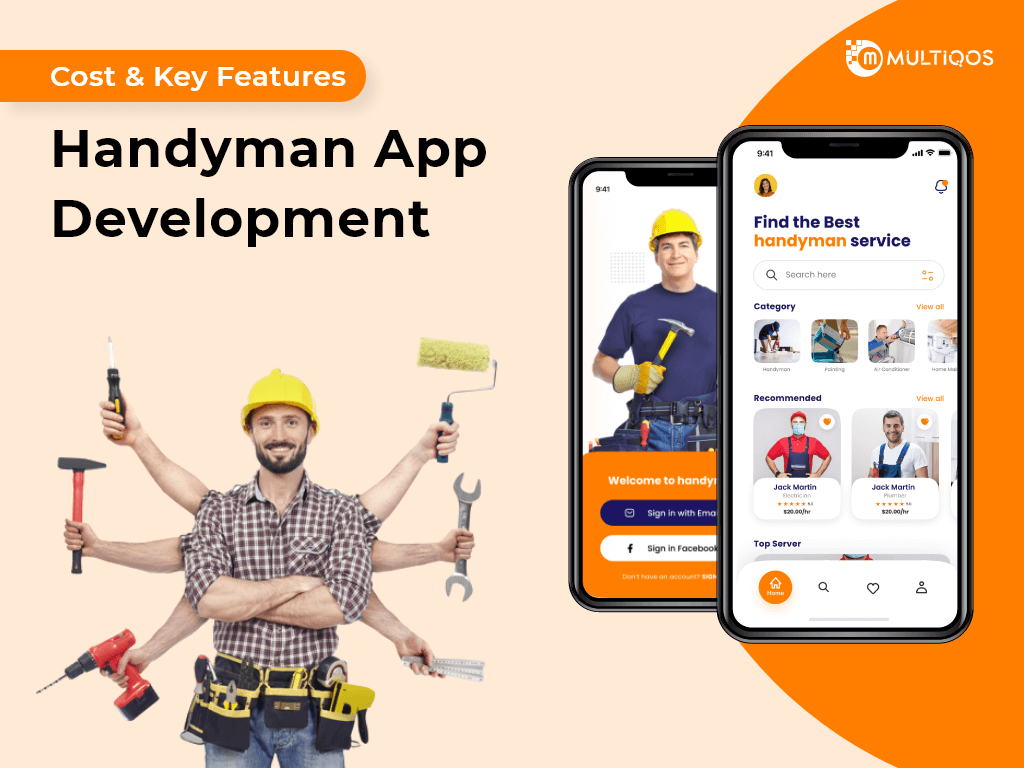
Users want to know who they are booking:
Name
Experience
Skills
Work history
Customer ratings
Verified identity proof
Clear pricing expectations
When all these elements are visible and easy to understand, the user feels empowered to make an informed decision. The mind interprets transparency as honesty.
On the other hand, if service provider profiles are incomplete, unclear, or lacking real details, the user subconsciously assumes that the app is hiding something. This leads to hesitation or app abandonment.
This is where working with a skilled handyman app development company becomes essential. A professional team integrates structured profile systems, document verification, rating filters, and automated approval checks that ensure only credible workers appear on the app.
Trust begins with clarity. Clarity begins with information.
Predictability and Consistency Create Reliability
Trust does not depend on one good experience. It depends on repeated positive experiences. When a user books a handyman and receives smooth service, they naturally expect the next experience to be similar. When the app delivers consistently, trust strengthens.
But if one day the pricing feels different, the handyman arrives late, or support responses slow down, trust weakens.
Predictability builds emotional comfort. When the user knows what to expect at every stage, they relax and continue using the service without hesitation.
This type of consistency requires:
Stable app performance
Standardized worker quality
Clear workflows
Reliable scheduling
Fast problem handling
Consistency tells users, “You can depend on us.”
Communication Removes Uncertainty
People fear what they do not understand or cannot control. This is why communication is one of the strongest psychological tools in building trust.
A handyman app should keep users informed at every step:
Booking confirmation
Handyman assigned
Handyman travel updates
Service progress
Completion summary
Even short, clear updates reduce anxiety.
When there is silence, the user starts imagining negative possibilities. Communication protects trust by preventing doubt from forming.
Real-time chat and prompt notifications help users feel in control. They know what is happening and when it is happening. This emotional stability improves user satisfaction and long-term loyalty.
Transparent Pricing Builds Financial Confidence
Money is directly connected to trust. When people feel that pricing is unclear or unfair, they lose trust even if the service quality is good.
A reliable handyman app must clearly explain:
What is included in basic service
What costs extra
How estimates are calculated
How payments are handled securely
Hidden charges are one of the fastest ways to damage trust.
When pricing is explained simply and openly, users feel respected. They feel the platform values fairness.
Users should always understand why they are paying what they are paying. This simple clarity increases emotional comfort and strengthens positive perception.
Social Proof and Real Experiences Influence Decision Making
Humans trust humans. Reviews, photos of completed jobs, user testimonials, and repeat customer behavior serve as powerful proof that the platform works well.
When users see that others have had successful, positive experiences, they believe they will too.
This is called social proof psychology.
An app with genuine reviews feels safer than an app that hides feedback. Even negative reviews, when addressed professionally, strengthen trust because they show honesty.
Real experiences create real confidence.
Customer Support and Accountability Complete the Trust Cycl
Even well-designed systems occasionally face misunderstandings or mistakes. What matters is how the app responds.
Fast, polite, solution-focused customer support protects trust during difficult moments. If a handyman does not perform well, the platform should offer compensation, replacement service, guidance, or follow-up checks.
When the user sees that the app stands behind its promises, trust transforms from temporary to long-term.
Accountability turns a platform into a dependable service brand.
FAQs
Why does trust matter so much in handyman apps?
Because users are allowing service providers into personal spaces, and they want assurance that the environment will remain safe and respected.
How can a handyman app development company help improve trust features?
They build secure verification systems, real-time communication tools, stable workflows, transparent pricing models, and quality control processes.
Do reviews really affect user decisions?
Yes, reviews act as proof of real performance and strongly influence whether users will book a service.
What harms trust the fastest in handyman apps?
Hidden charges, inconsistent service quality, unclear profiles, and delayed customer support.
Conclusion
User trust in handyman apps is shaped by psychology, not just technology. Trust grows from clarity, consistency, communication, transparency, and accountability. When users understand the system, feel informed, and receive predictable quality, they naturally become loyal customers.
By partnering with a professional handyman app development company and prioritizing the emotional comfort of users, businesses can create platforms that not only provide services but also become trusted everyday tools in people’s lives.